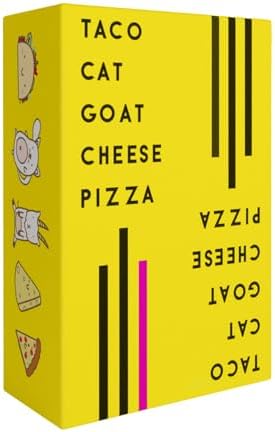
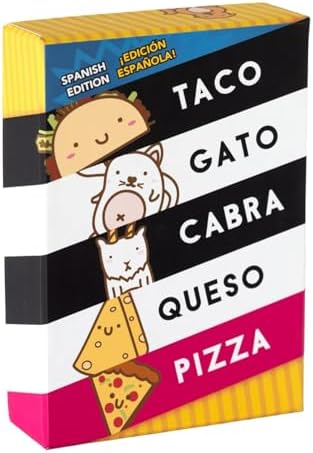
 TacoCat Games
Big tables
One deck, eight chairs
Past six players, most card games quietly break: turns crawl, half the table waits, someone starts a side conversation. Slap-and-match games are the exception, because everybody plays every card. Here is how we run our decks when the table is full.
Everyone plays on every flip
The reason a matching game survives eight players is that waiting does not exist. Each card flip belongs to the whole table. Nobody is three turns away from doing something. If your group swallows other games in side talk, this is the shape of game to bring.
Make the circle tight
Eight arms need to reach the same spot. A long dinner table splits the game in half; the far ends cannot compete for the pile. Push people around a square table or the floor. If a hand physically cannot reach the center, the seating is the bug, not the player.
Referee by loudest vote
With eight hands, ties on the pile happen constantly. Do not appoint a judge. The table calls it, majority wins, next card. A wrong call costs one card and thirty seconds; a fair-trial debate costs the mood.
Split into two games late, not early
When a crowd is past eight, resist splitting the group at the door. Start as one loud table, and only divide when the pile fights get impractical. Two games started too early make two quiet rooms; one overcrowded round makes the story people retell.
Built for a full table
Player counts that reach eight, so nobody sits out.